Neem
Safety 5/5Azadirachta indica
Best Used For
Quick Answer
Neem benefits skin through its antibacterial, antifungal, and anti-inflammatory compounds. It kills acne-causing bacteria (P. acnes), reduces sebum production, and treats dandruff caused by Malassezia fungi. Safety rating: 5/5 with comedogenic rating of just 1.
Key Takeaways
- ✓Neem kills P. acnes bacteria — the primary cause of inflammatory acne
- ✓Nimbidin reduces oil production without drying
- ✓Also treats dandruff by targeting Malassezia fungi
- ✓Safety 5/5, comedogenic rating 1 — appropriate for oily and acne-prone skin
- ✓Gentler than benzoyl peroxide with no bleaching risk for Indian skin tones
What is Neem?
Neem (Azadirachta indica), the Indian lilac, is one of the most revered medicinal plants in Ayurveda. The Charaka Samhita — compiled around 1000 BCE — describes neem as a plant that "purifies the blood, cools the body, and pacifies Pitta," classifying it as sarva roga nivarini (the healer of all diseases). Every part of the tree — leaves, bark, seeds, oil — has documented therapeutic uses, but for skincare, neem leaf extract and neem oil are most relevant.
Modern science has now mapped the mechanisms behind these ancient claims. Neem is not a single compound but a library of bioactives that work together across antibacterial, antifungal, anti-inflammatory, and antioxidant pathways — which is why it continues to outperform many single-molecule synthetic actives for everyday Indian skin concerns.
Active Compounds
- Nimbidin — reduces sebum production and has anti-inflammatory action; one of the most studied neem limonoids
- Nimbolide — powerful antibacterial against P. acnes; also shown to disrupt bacterial biofilms
- Gedunin — antifungal effective against Malassezia (dandruff fungus)
- Quercetin — antioxidant that reduces UV-induced skin damage and neutralises free radicals from pollution
- Nimbolic acid — contributes to neem's bitter taste and its blood-purifying action in Ayurvedic formulations
Benefits
For Acne-Prone Skin
Neem's antibacterial action directly targets P. acnes in the sebaceous follicle, reducing both comedones and inflammatory lesions. Herrera-Calderon et al. (Pharmacognosy Journal, 2019) documented neem's broad antibacterial activity across multiple bacterial strains and identified nimbidin and nimbolide as the primary active constituents responsible. Unlike harsh actives (benzoyl peroxide, salicylic acid), neem does not strip the skin barrier or trigger the rebound oiliness that many acne sufferers experience after using alcohol-heavy toners.
Because neem addresses both the bacterial trigger and the inflammatory response simultaneously, it is particularly useful during the early stages of a breakout — when the goal is to prevent a whitehead from becoming a cystic lesion.
For Oily Skin
Nimbidin regulates the sebaceous glands, reducing shine without the dryness that alcohol-based toners cause. This makes neem a preferable sebum-control ingredient for Indian summers, when the skin oscillates between excess oil production during the day and a stripped feeling after harsh cleansers. Regular use in a cleanser or mask reduces the midday shine associated with high-humidity conditions without compromising the skin barrier.
For Dandruff
Neem's antifungal compound gedunin targets Malassezia, the yeast responsible for most dandruff. The scalp version of acne-prone skin — seborrheic dermatitis — also responds to neem's antifungal and anti-inflammatory activity. Neem oil added to a carrier and massaged into the scalp before washing is a well-documented folk remedy that has held up under botanical pharmacology review.
Neem for Indian Skin Concerns
India presents a unique combination of environmental stressors that few global ingredient guides address. Neem's profile maps well against all three of the most common ones.
Monsoon Humidity and Breakouts
The southwest monsoon (June–September) raises ambient humidity across most of India to 80–95%. At these humidity levels, sebum production increases, sweat mixes with oil on the skin surface, and the follicular environment becomes warm and moist — ideal conditions for P. acnes proliferation. Neem's antibacterial and sebum-regulating properties are especially valuable during this period. A neem-based cleanser used twice daily during monsoon months can help prevent the seasonal breakout flares that many Indians experience as reliably as the rains themselves.
Pollution and Oxidative Damage
Urban pollution — the diesel particulate matter in Delhi, the traffic exhaust in Mumbai and Bengaluru — deposits on skin and generates reactive oxygen species (ROS) that accelerate collagen degradation and trigger inflammatory pathways. Quercetin in neem acts as a free-radical scavenger, neutralising ROS before they damage skin proteins. This is why combining neem with turmeric — another potent antioxidant — in a face mask is a standard Ayurvedic pollution-cleansing ritual that has genuine biochemical logic behind it.
Hard Water and Mineral Buildup
Most Indian cities have hard water with high calcium and magnesium content. These minerals interact with soap and cleanser surfactants to form an insoluble scum that deposits on skin, raising its pH and disrupting the acid mantle. A disrupted acid mantle makes skin more susceptible to bacterial colonisation and breakouts. Neem's astringent properties help tighten the skin surface and reduce the permeability that hard water damage creates, while its antibacterial action addresses any opportunistic bacteria that exploit the compromised barrier.
Neem vs Benzoyl Peroxide
Benzoyl peroxide (BPO) is the gold standard Western acne treatment, and it works. But for Indian skin, the risk-benefit calculation is different.
| | Neem | Benzoyl Peroxide | |---|---|---| | Mechanism | Antibacterial + anti-inflammatory | Antibacterial (oxidative) | | Speed | Slower (2–4 weeks) | Faster (1–2 weeks) | | PIH risk | Very low | Moderate to high | | Skin barrier impact | Minimal | Can cause dryness, peeling | | Bleaching | None | Bleaches fabrics and hair | | Suitable for Indian skin tones | Yes | Use with caution |
Post-inflammatory hyperpigmentation (PIH) — the dark marks that remain after a pimple heals — is significantly more common and more persistent in melanin-rich skin. Anything that causes barrier disruption, peeling, or irritation increases PIH risk. BPO, while effective at killing bacteria, frequently causes the surface disruption that triggers melanocyte overreaction in Indian skin.
Neem treats the same bacterial target more slowly but without the bleaching, without the peeling, and without the PIH risk. For a patient who already has active hyperpigmentation and new breakouts — a very common Indian skin presentation — neem is the more rational choice. For very severe or cystic acne, BPO or prescription treatments may still be necessary, but neem can reduce their required concentration when used alongside them.
How to Use Neem
Neem is not one product — it comes in three distinct forms with different potencies and applications.
Neem Leaf Powder
Dried and ground neem leaves. The mildest form, suitable for weekly masks. Mix with multani mitti and rose water to form a paste; apply for 15 minutes and rinse. This classic Ayurvedic combination addresses oily skin and minor breakouts without any risk of irritation. Neem leaf powder is also the form most traditional households in India have access to without purchasing a commercial product.
Neem Oil
Expressed from neem seeds. This is the most potent — and most pungent — form. Neem oil contains a much higher concentration of nimbidin and nimbolide than leaf preparations. It should never be applied undiluted to the face. Dilute to 5–10% in a carrier oil (coconut oil, sesame, or almond) before application. Best used as a spot treatment on individual pimples rather than all-over. For dandruff treatment, mix 5–10 drops of neem oil into your regular hair oil before a scalp massage.
Neem Leaf Extract (in formulations)
Water-based or alcohol-based extraction of neem leaf used in commercial cleansers, toners, and face washes. This is the most controlled form — formulators standardise the concentration, so the product is consistent and predictable. This is what you find in most commercial neem skincare products. For daily use, a neem leaf extract-based cleanser is the most practical entry point.
The Classic Neem Steam
Boil a large handful of fresh neem leaves in water for 10–15 minutes. Allow the water to cool to a comfortable temperature (test with your wrist). Lean your face over the pot with a towel over your head to trap the steam. Five minutes of neem steam opens pores and delivers vapour-phase antibacterial compounds directly into the follicle. This home treatment has been used across India for generations and remains one of the most effective low-cost options for acne-prone skin.
Safety for Daily Use
One of the most common questions about neem: is daily use too harsh?
Answer: it depends entirely on the form. Neem leaf extract in a daily cleanser at typical formulation concentrations (0.5–1%) is well-tolerated for everyday use by most skin types. The Himalaya Purifying Neem Face Wash, for instance, is designed for daily use and has been used by millions of Indians for decades without widespread reports of over-drying.
Neem oil is a different matter. Its high concentration of active compounds makes it too strong for daily full-face use. Reserve pure neem oil for targeted treatment or weekly scalp applications.
If you are using a neem toner or high-potency serum, monitor your skin over two weeks. Signs that you are overdoing it: tightness after washing, flaking around the nose and chin, or increased redness rather than reduced breakouts. If these appear, reduce frequency and follow with a hydrating aloe vera gel or a light moisturizer.
Indian Neem Products to Look For
The following products contain neem as a primary active and are widely available across India:
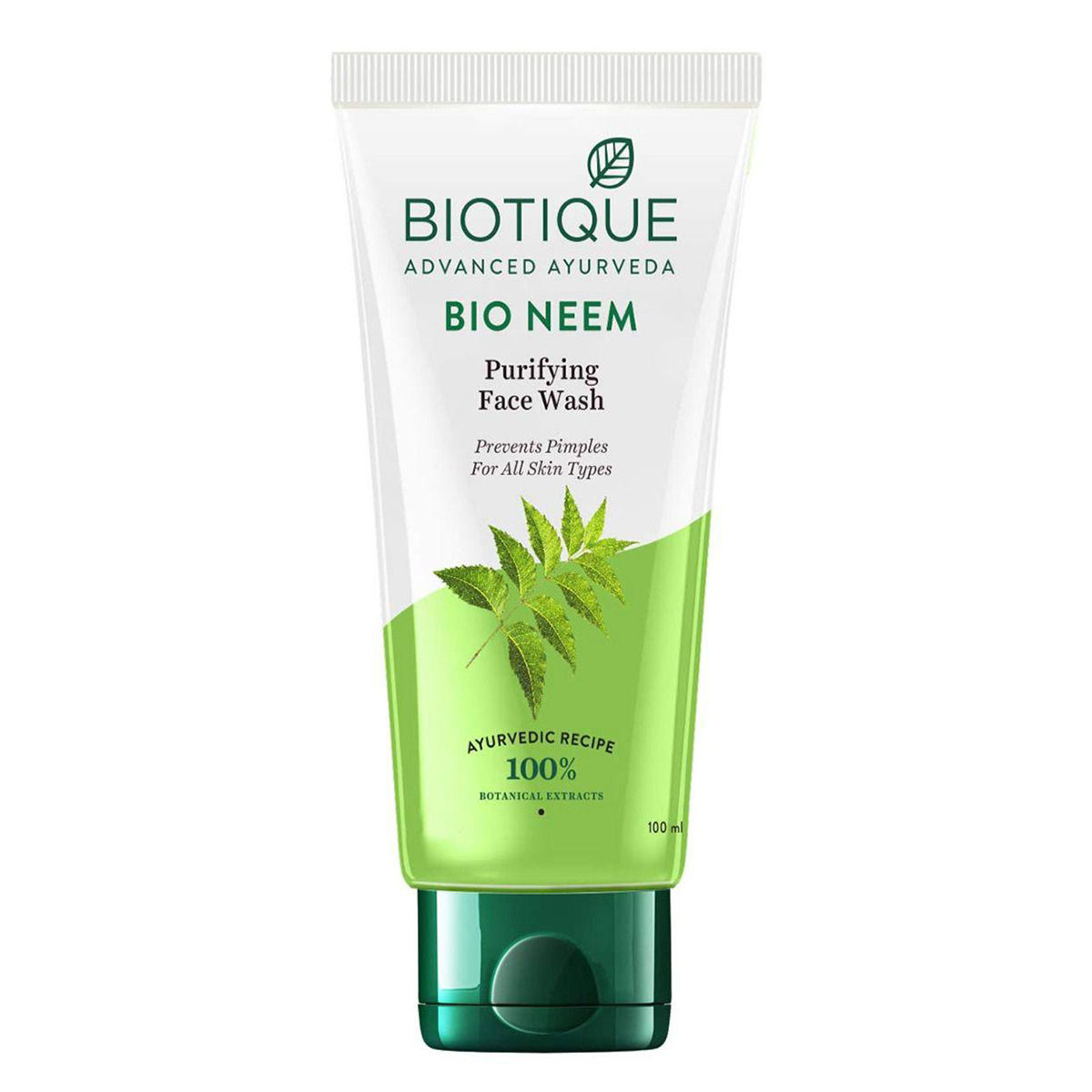
- Himalaya Purifying Neem Face Wash — one of the most popular face washes in India, uses neem and turmeric extract. Suitable for daily use by oily and combination skin. Available at every pharmacy chain.
- Biotique Bio Neem Purifying Face Pack — neem-based clay mask with margosa (neem) and Himalayan herbs. Good for weekly deep-cleansing, particularly during monsoon.
- Khadi Natural Neem & Tulsi Facewash — combines neem with tulsi (holy basil), another Ayurvedic antibacterial. The combination is synergistic — both inhibit P. acnes, and tulsi adds a mild calming effect.
For soap options, traditional neem soap from Khadi Gramodyog remains a low-cost, reliable option for back acne (bacne) and body breakouts where neem's antibacterial action is applied over larger surface areas.
Pairing Neem With Other Ingredients
Neem works well in combination. Some effective pairings for Indian skin:
- Neem + Turmeric — antibacterial + antioxidant/anti-inflammatory. The classic Ubtan base. Addresses breakouts and the dullness from pollution simultaneously.
- Neem + Aloe Vera — purifying + soothing. For those who find neem slightly drying, aloe vera added to the same mask or applied after a neem cleanser restores moisture without adding oil.
- Neem + Tea Tree — double antibacterial action for severe breakout phases. Use with caution — both are potent; together they can cause irritation on sensitive skin. Better for spot treatment than full-face application.
- Neem + Multani Mitti — deep-cleansing clay mask for oily skin. The clay absorbs sebum while neem addresses bacteria; together they deliver a salon-grade deep cleanse at home.
Frequently Asked Questions
Products with Neem
 Best Seller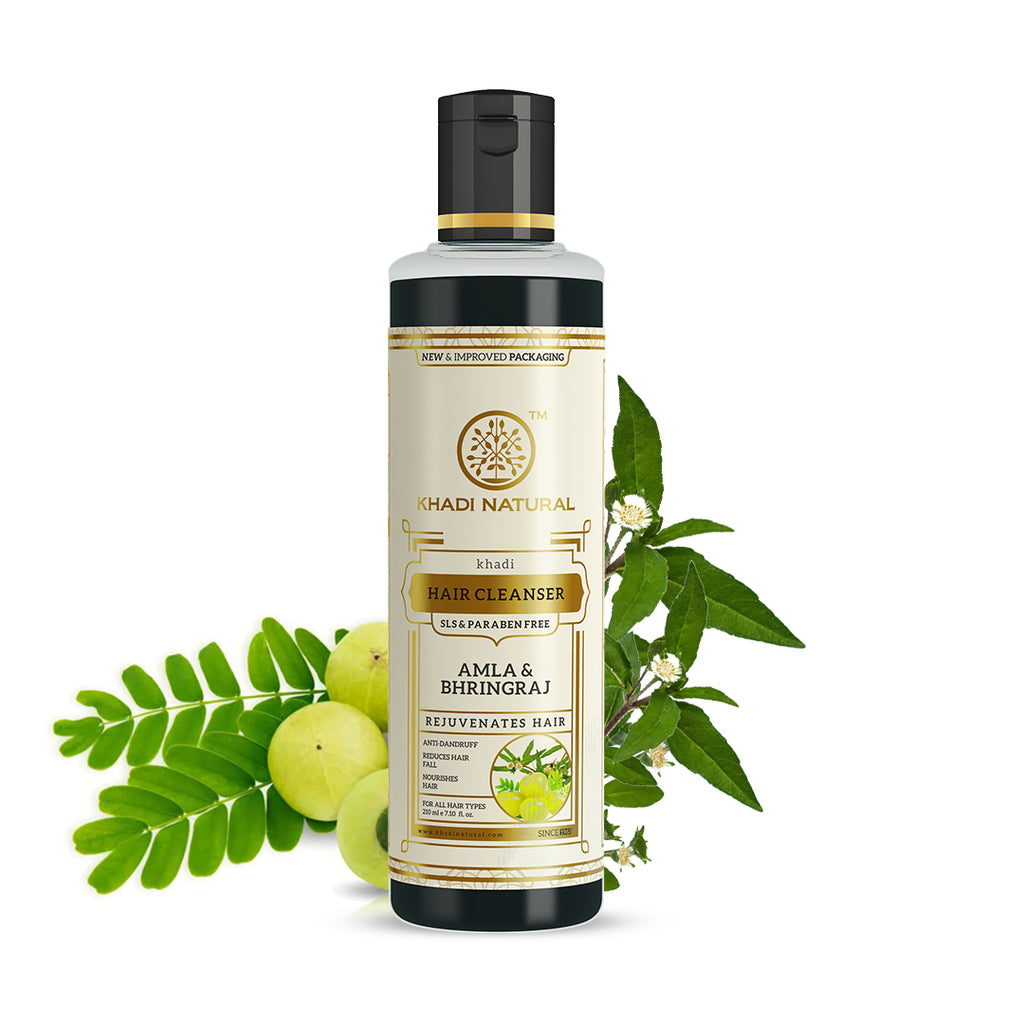
Shampoo · khadi natural
Khadi Natural Amla & Bhringraj Hair Cleanser
₹287
Read ReviewIngredient lists are sourced from brand websites and may vary by batch.